Winners of the #EndMalaria Photo and Video Contest 2017
We proudly present the winners of our photo and video contest 2017.
The photographers have granted a sub-licensable license to the Swiss Malaria Group and its partners, allowing media to use the contest photos for the purpose of raising awareness of malaria without prior permission and compensation in any form, as long as the photos are credited as follows: (Full Name of the photographer) for Swiss Malaria Group.
The winning video by Steve Holloway (Streamline Productions) can be found here.
-
Winner of the category #caretogether
©Anna Surinyach for Swiss Malaria GroupDemocratic Republic Congo, Tushunguti. Bufende Nezehozi brought her daughter to the…
×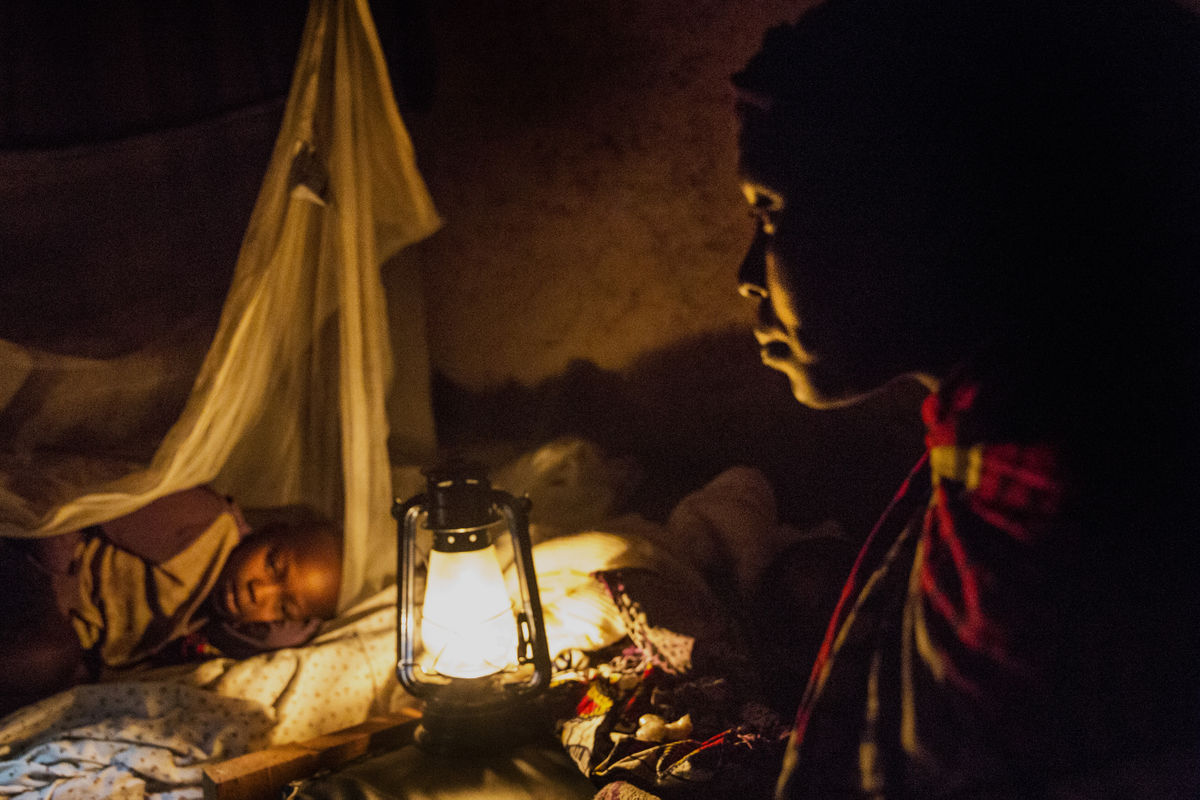
Winner of the category #caretogether
©Anna Surinyach for Swiss Malaria Group
Democratic Republic Congo, Tushunguti. Bufende Nezehozi brought her daughter to the Primary Health Centre, since both of them have contracted malaria. Their native village, Nyalugusha, suffered a strong wave of malaria infections. Doctors without borders helped to reduce the mortality rate.
-
2nd in the category #caretogether
©Feliciano Monti for Swiss Malaria GroupMyanmar, North of Shan State A mobile team carries out active case detection of malaria…
×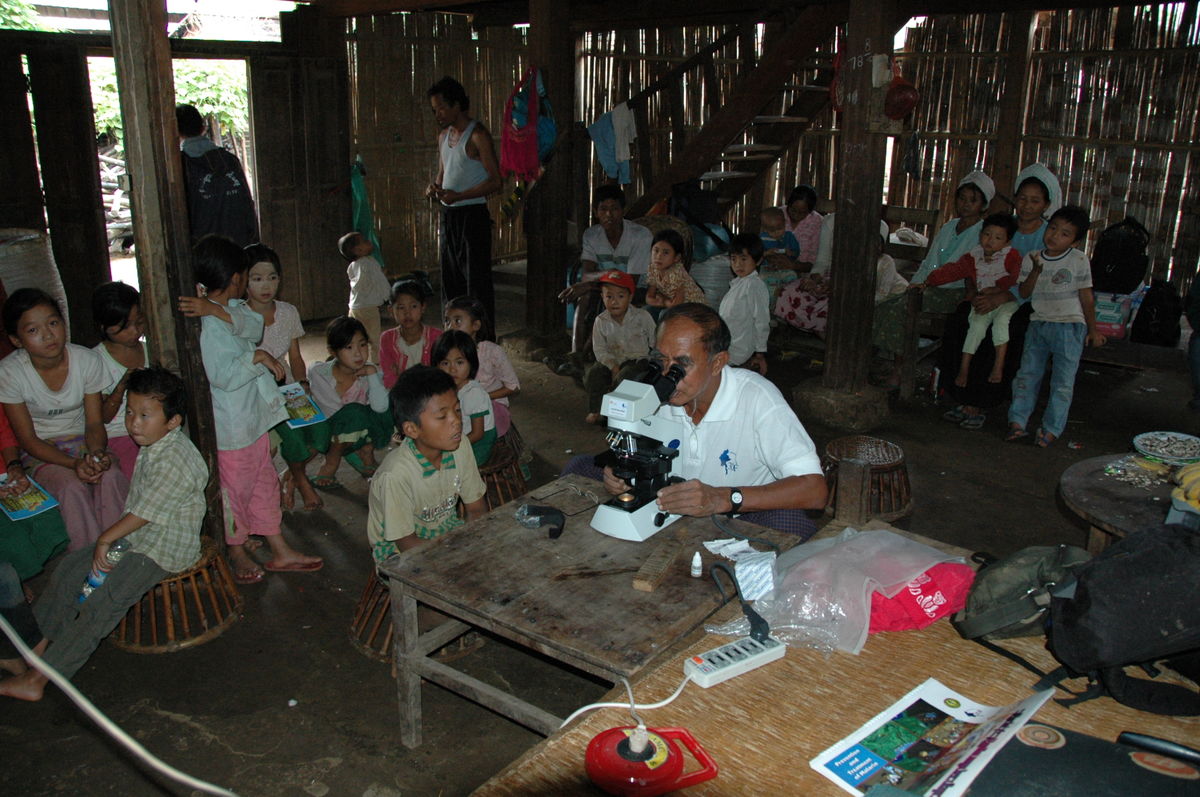
2nd in the category #caretogether
©Feliciano Monti for Swiss Malaria Group
Myanmar, North of Shan State A mobile team carries out active case detection of malaria cases in a remote village near the Chinese border. Blood smears are taken from people that might have been infected and immediately examined under a microscope powered by a small electric generator. Diagnostic testing, including rapid diagnostic tests, are vital to malaria control and elimination. -
3rd rank in the category #caretogether
©Pearl Gan for Swiss Malaria Group (user rights until 2022)Eastern Indonesia, Alor Island Strong health systems are essential to provide access…
×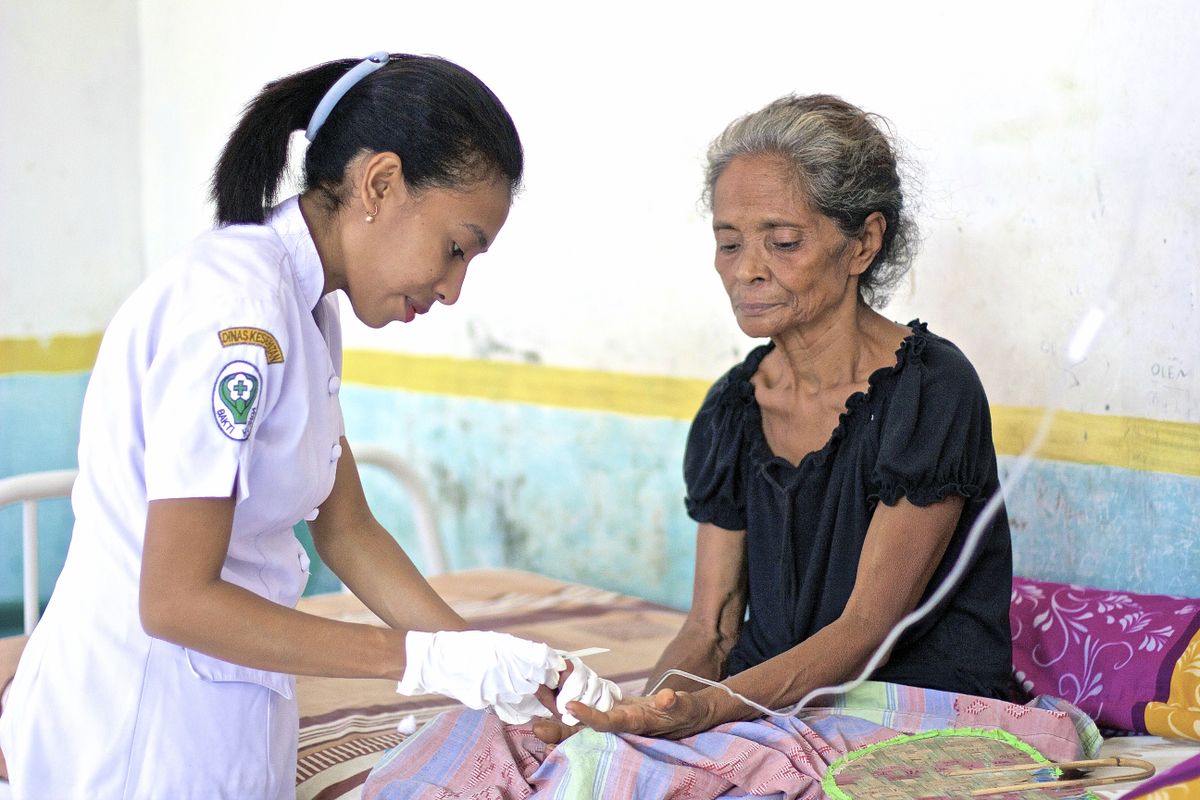
3rd rank in the category #caretogether
©Pearl Gan for Swiss Malaria Group (user rights until 2022)
Eastern Indonesia, Alor Island Strong health systems are essential to provide access to medicines and treatment for malaria ensuring no one is left behind. 56-year-old Fransura Kavori was admitted to the Mebung Primary Health Center and is recovering from an attack of Plasmodium falciparum malaria. She is a volunteer malaria worker and traditional healer. -
Winner of the category #betterworld
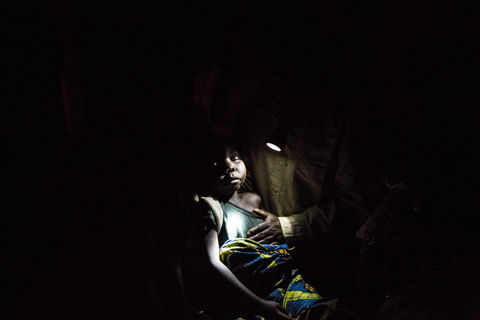
©Anna Surinyach for Swiss Malaria GroupDemocratic Republic of Congo, Tushunguti Doctors are fighting to save the life of…
×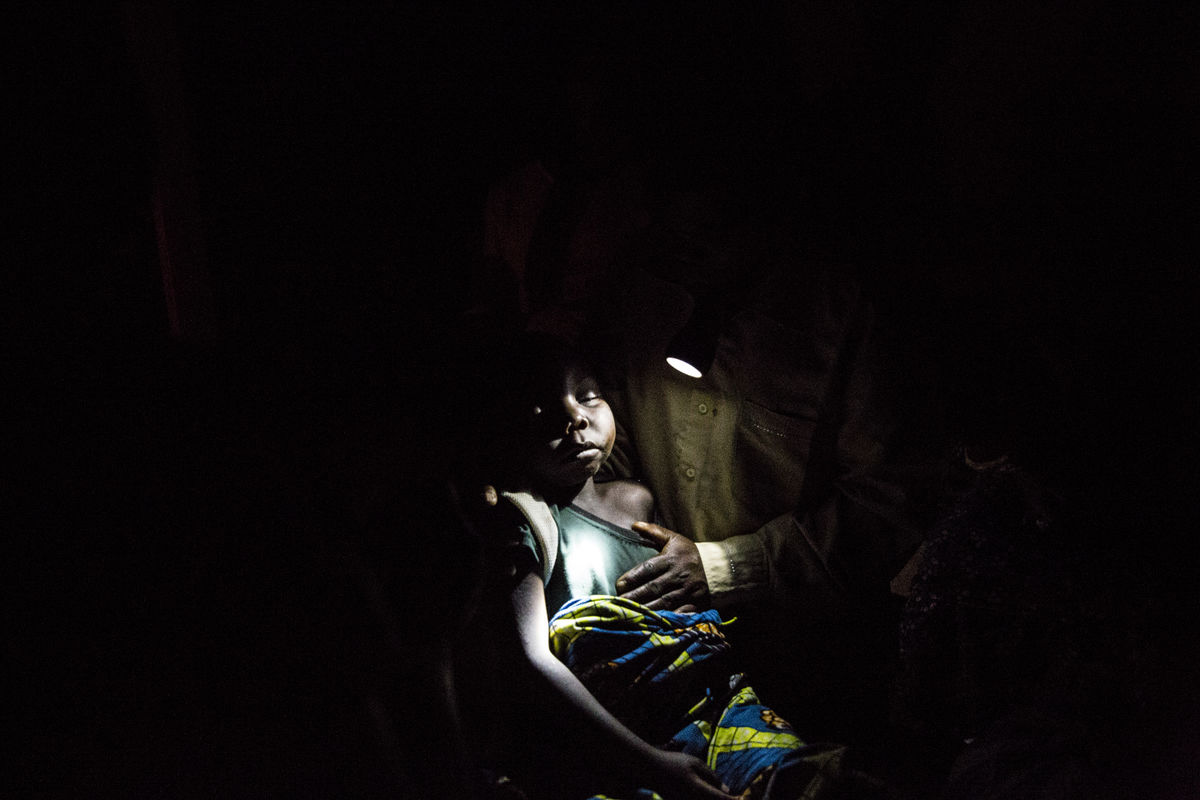
Winner of the category #betterworld
©Anna Surinyach for Swiss Malaria Group
Democratic Republic of Congo, Tushunguti Doctors are fighting to save the life of this little boy, Neema Machozi, who is suffering from severe malaria as parasites have invaded his body and brain. While three of his siblings have been treated successfully, Neema is still in an unstable condition and his recovery is uncertain. By achieving the 2030 malaria goals we can save an additional 4.5 million of lives (Source: World Health Organization on behalf of the Roll Back Malaria Partnership Secretariat, Action and Investment Plan to Defeat Malaria, published 2015), mostly of children under the age of 5 in sub-Saharan Africa. -
2nd rank of the category #betterworld
©Stacey Naggiar for Swiss Malaria Group (user rights until 2022)Zambia, Southern Province: A malaria focal point person in the region demonstrates…
×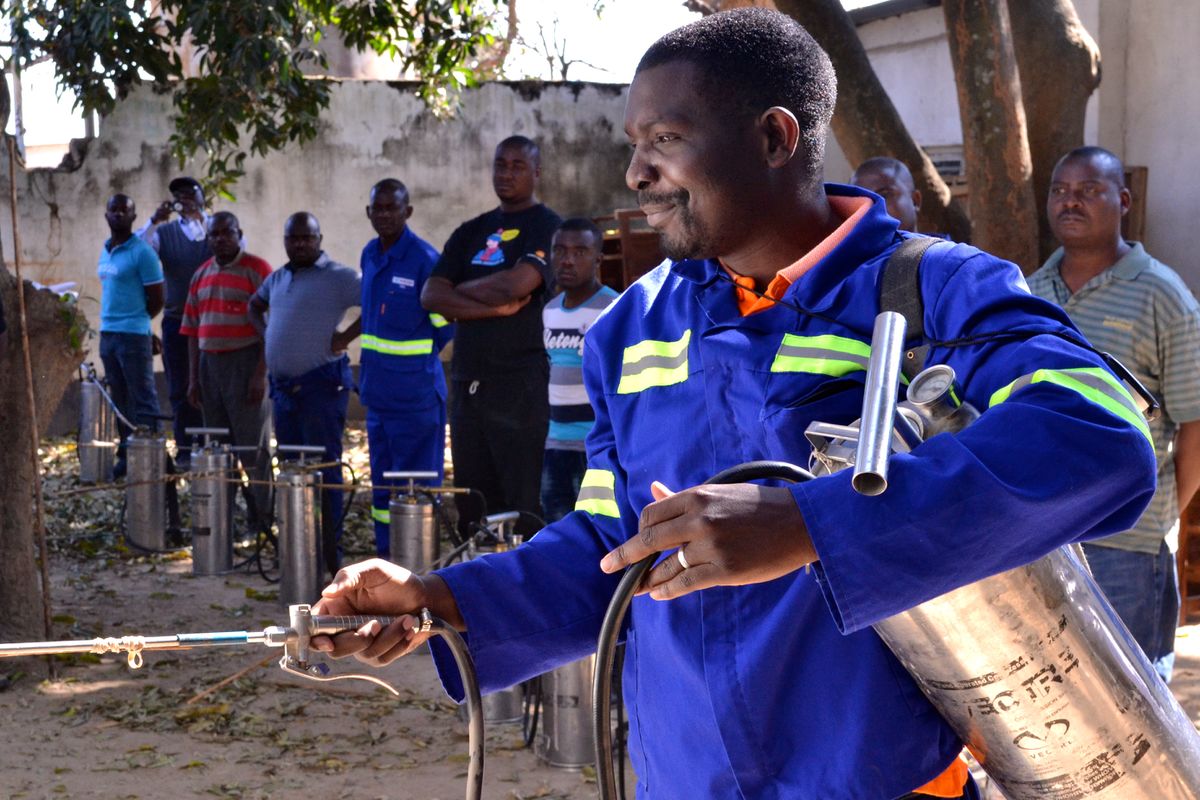
2nd rank of the category #betterworld
©Stacey Naggiar for Swiss Malaria Group (user rights until 2022)
Zambia, Southern Province: A malaria focal point person in the region demonstrates toenvironmental health technicians how to properly spray houses with insecticides to protect against malaria-transmitting mosquitoes. The development of new insecticides is crucial if we are to keep one step ahead of mosquitoes developing resistance. Swiss Malaria Group members develop new and more effective mosquito control tools and also engage in integrated vector control. -
3rd rank of the category #betterworld
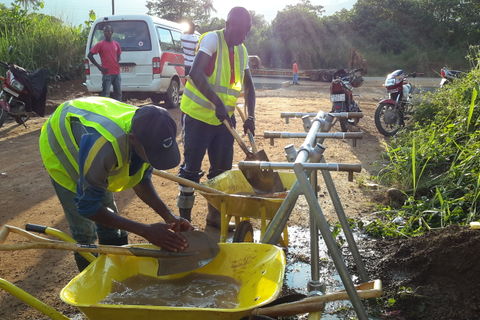
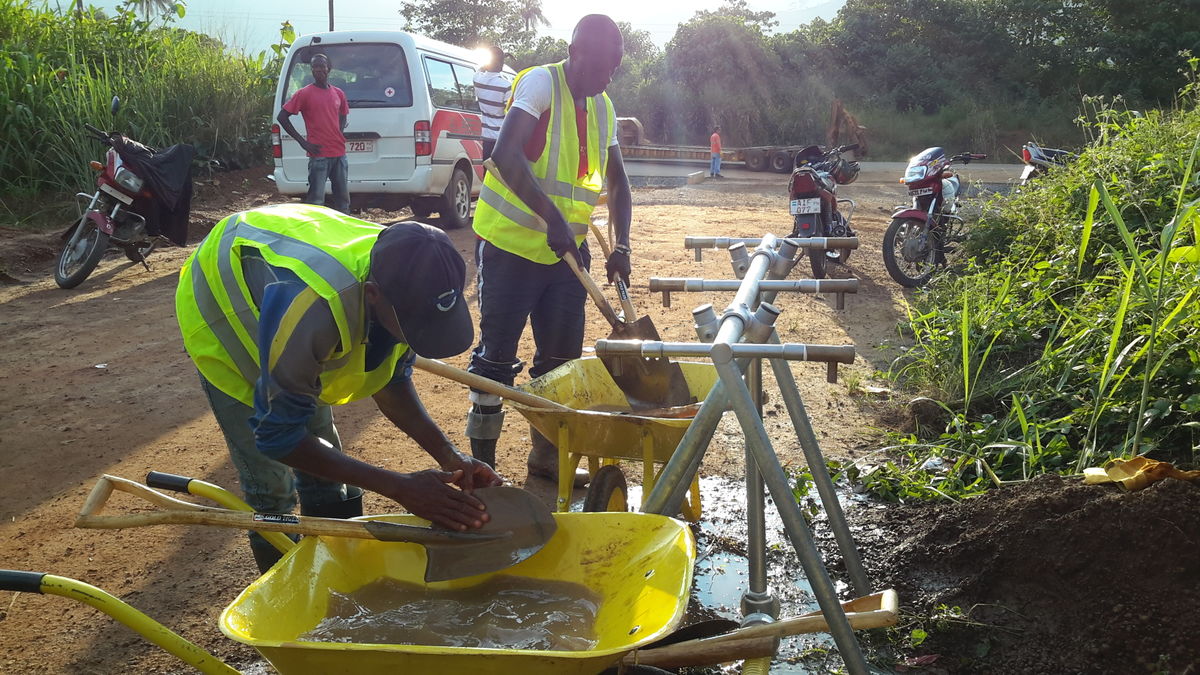
©Sabine Hediger for Swiss Malaria GroupSierra Leone, Kenema Reducing malaria can start with simple actions. Clean, dry and…
×
3rd rank of the category #betterworld
©Sabine Hediger for Swiss Malaria Group
Sierra Leone, Kenema Reducing malaria can start with simple actions. Clean, dry and orderly workplaces like this one help to reduce ponds and wet surfaces that are the breeding grounds for malaria-transmitting mosquitoes.The insect typically lays its eggs in stagnant water, where the larvae grow into adulthood and emerge as malaria parasite carriers. -
Winner of the category #innovatetogether
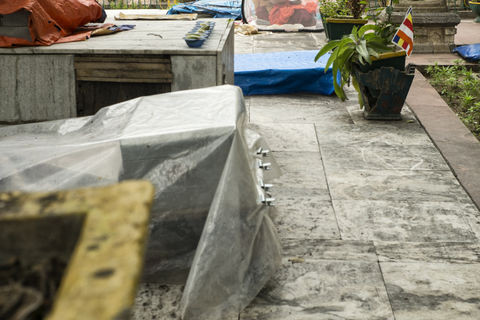
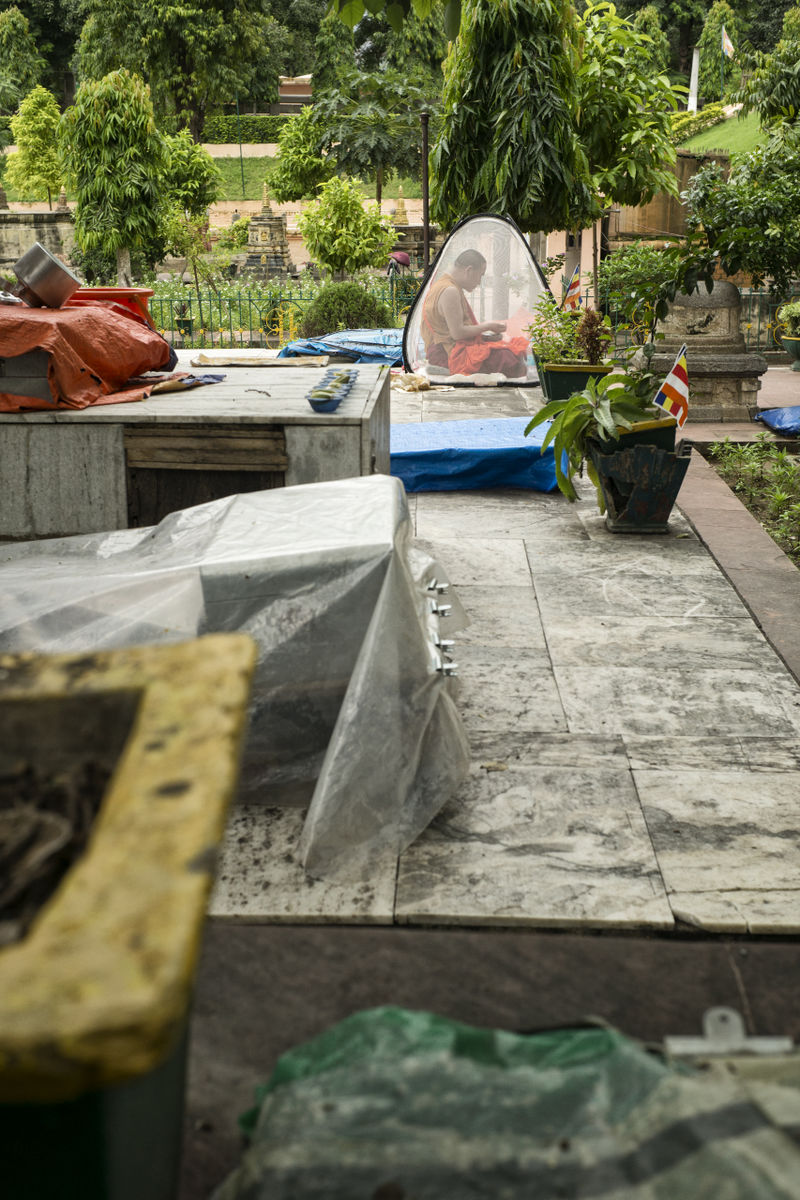
©Roland Schmid for Swiss Malaria GroupIndia, Bodhgaya In the Mahabodhi Temple, a Tibetan monk meditates under a mosquito…
×
Winner of the category #innovatetogether
©Roland Schmid for Swiss Malaria Group
India, Bodhgaya In the Mahabodhi Temple, a Tibetan monk meditates under a mosquito net designed to keep him safe from mosquito bites. Bodhgaya is one of the most sacred places for Buddhists, as it was here that the Buddha reached enlightenment. -
2nd rank of the category #innovatetogether
©Tessa Visser for Swiss Malaria GroupUnited Kingdom, London Further research and innovation are crucial if we are to become…
×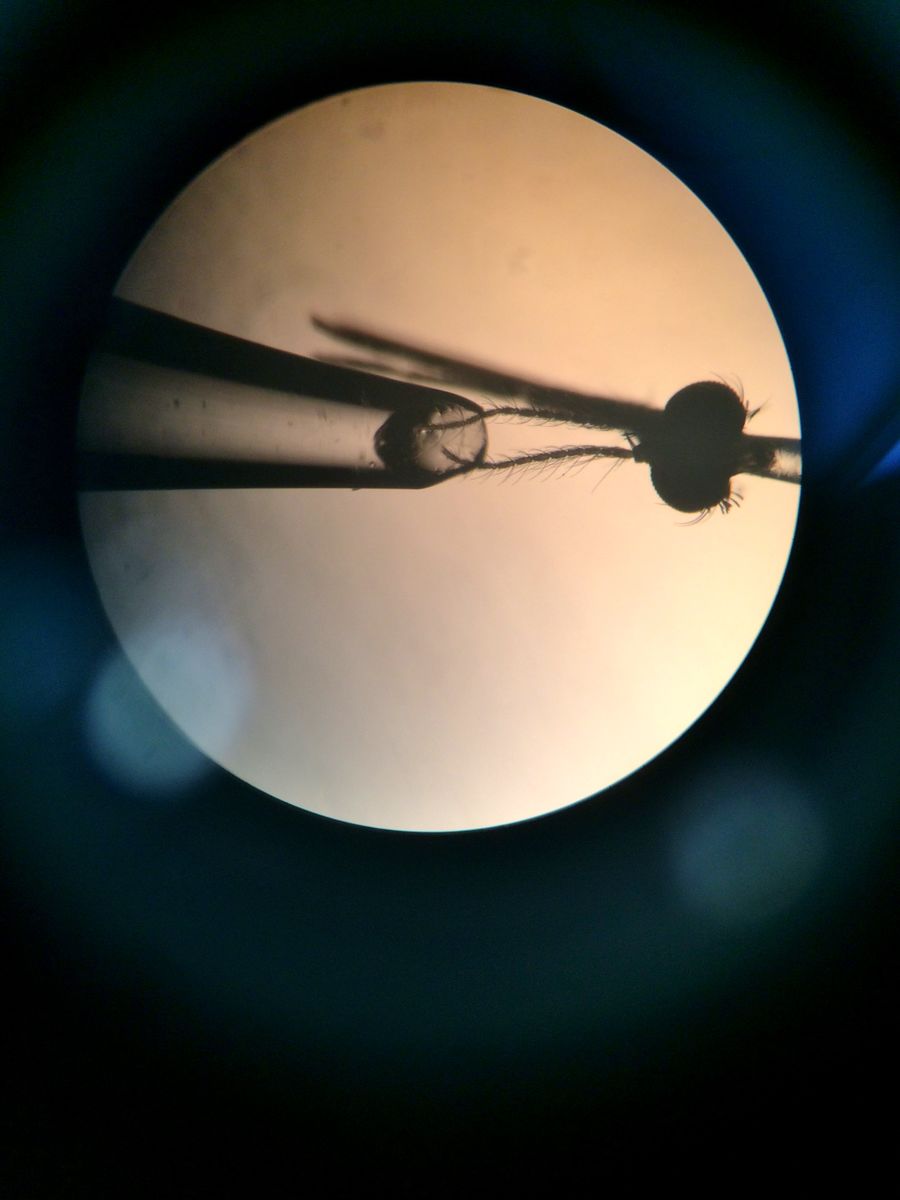
2nd rank of the category #innovatetogether
©Tessa Visser for Swiss Malaria Group
United Kingdom, London Further research and innovation are crucial if we are to become the generation to end malaria. Apart from research into the development of new tools, it is also important to understand mosquito behavior to improve their control. This image shows the antennae of a malaria-infected Anopheles stephensi mosquito between electrodes. The experiment served to test to what extent malaria parasites change the behavior of their mosquito hosts reacting to different human odor compounds. -
3rd rank of the category #innovatetogether
©David O'Dwyer for Swiss Malaria GroupCôte d’Ivoire These containers are full of bales each holding 50 insecticide-treated…
×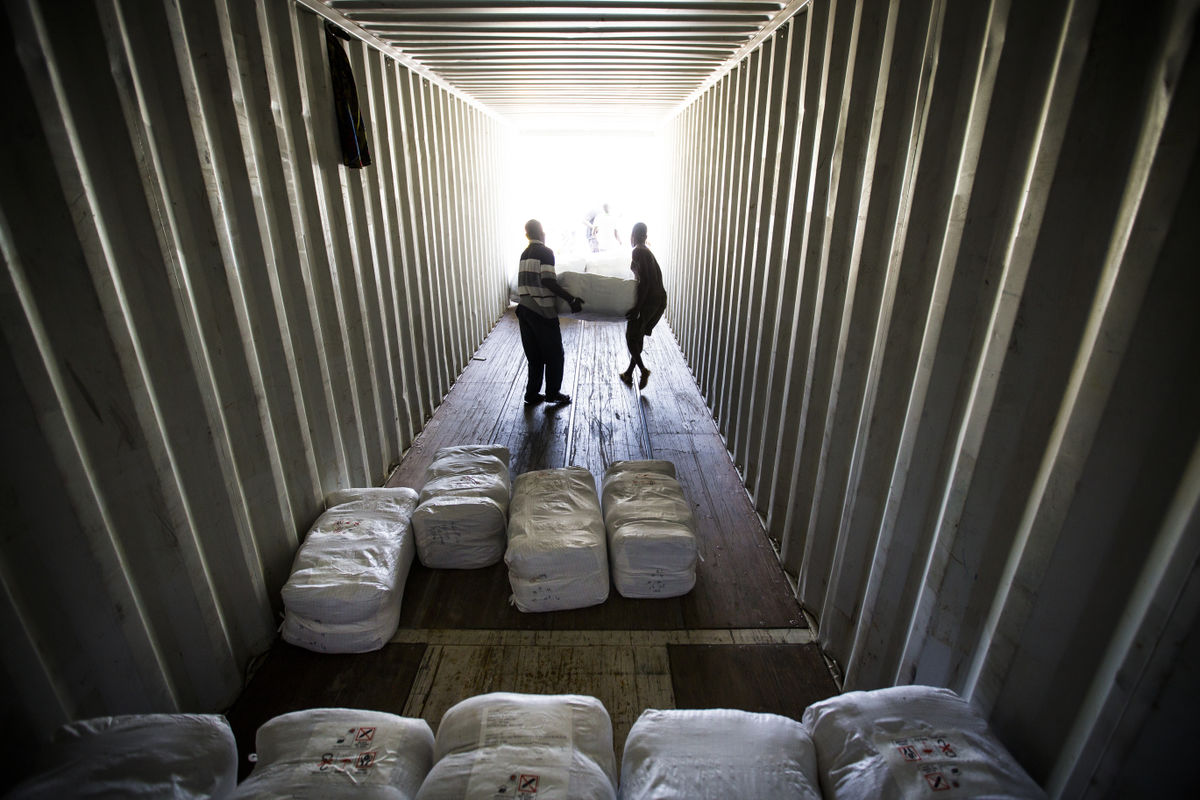
3rd rank of the category #innovatetogether
©David O'Dwyer for Swiss Malaria Group
Côte d’Ivoire These containers are full of bales each holding 50 insecticide-treated nets. As part of a mass-distribution partnership between many public and private sectors, 13 million nets in total will contribute to the prevention of malaria on a large scale and keep families in Côte d’Ivoire safe from mosquito bites while they sleep. Sleeping under an insecticide-treated net is an effective prevention strategy against malaria.